

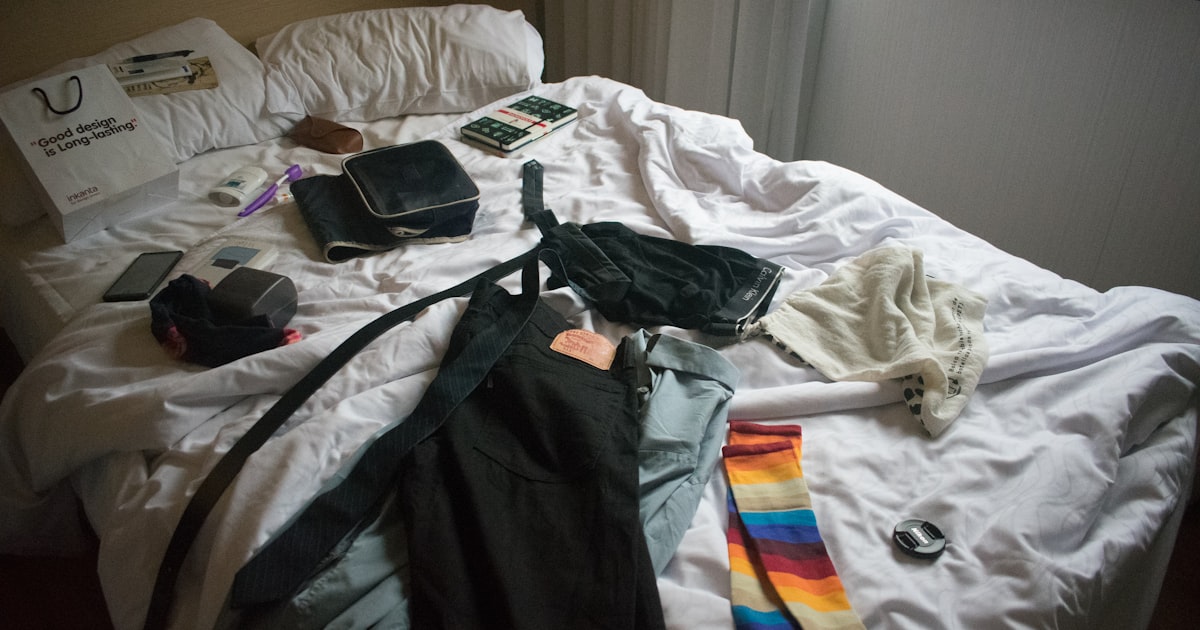

Your acceptance letter has arrived, your host company is confirmed, and your departure date is circled on the calendar. Now comes the question that keeps many first-time OJT students awake at night: what exactly should you pack for your international internship?
Packing for an extended stay abroad is different from preparing for a vacation. You’re not just a tourist—you’ll be working, building professional relationships, and representing both your school and your country. This guide will help you pack smartly, avoid common mistakes, and ensure you have everything you need for a successful OJT experience.
The Non-Negotiables: Documents and Essentials
Before anything else goes into your luggage, secure these critical items. Keep them in your carry-on bag, never in checked luggage.
Required Documents
Create a document folder that stays with you at all times:
- Passport with at least six months validity beyond your return date
- Visa documentation and approval letters from your host company
- Flight tickets (print physical copies as backup)
- OJT placement letter from your school
- Host company contact information including emergency numbers
- Accommodation address written clearly for immigration forms
- Travel insurance policy with contact numbers
- Vaccination records if required by your destination country
- Prescription documentation for any medications you’re bringing
- International driver’s license if you plan to drive
Make photocopies of everything and store digital copies in your email and cloud storage. Leave another set of copies with a family member in the Philippines.
Money Matters
Bring multiple payment options to avoid being stranded without access to funds:
- At least $200-300 USD in cash for immediate expenses upon arrival
- A debit card that works internationally (inform your bank about your travel dates)
- A credit card as backup (again, notify your bank)
- Emergency cash hidden separately from your main wallet
Research whether your destination country primarily uses cash or cards. Some countries like Japan still rely heavily on cash, while others like the United States are almost entirely cashless.
Professional Wardrobe: Dress for Success
Your clothing choices will depend heavily on your host company’s dress code and your destination’s climate. Research both thoroughly before packing.
Business Attire Basics
Most OJT placements in hospitality, business, or education require professional clothing:
- For formal environments: 2-3 complete business outfits (suits, dress pants, blazers, professional dresses or skirts)
- For business casual: 5-7 mix-and-match pieces in neutral colors (khakis, dress pants, polo shirts, blouses)
- Comfortable professional shoes: At least two pairs that you’ve already broken in
- Conservative accessories: Simple watch, minimal jewelry, professional bag
Filipino students often make the mistake of packing too many casual clothes and not enough work-appropriate attire. Remember, you’ll be spending most of your time in a professional environment.
Climate Considerations
The Philippines has tropical weather year-round, but your destination might not:
- Cold climates: Invest in a quality winter coat, thermal underwear, gloves, and warm boots before you leave or budget to buy them upon arrival
- Temperate climates: Bring layers—cardigan, light jacket, long sleeves
- Similar tropical climates: You know what works, but pack professional versions
Check the weather patterns for your specific destination during your stay period. Spring in some countries can still mean snow, while fall might be warmer than expected.
Personal Care and Health Items
Medications and Health Supplies
Bring a three-month supply of any prescription medications in their original containers with prescription labels visible. Include a letter from your doctor explaining why you need them.
Stock a basic health kit:
- Over-the-counter pain relievers (ibuprofen, paracetamol)
- Antihistamines for allergies
- Anti-diarrheal medication (dietary changes affect everyone)
- Band-aids and basic first aid supplies
- Vitamins if you regularly take them
- Feminine hygiene products for your first month
Many Filipino students bring Efficascent Oil or other familiar remedies from home. This is fine, but ensure liquids are properly packed to prevent leaks.
Toiletries Strategy
Don’t overpack toiletries—you can buy most items abroad. However, bring:
- Travel-size versions of your favorites for the first week
- Specific products you can’t live without (particular skincare items, hair products for your hair type)
- Contact lenses and solution if you wear them (enough for your entire stay)
- Your preferred deodorant (formulations vary by country)
Remember that many Western countries have different product formulations. Your favorite shampoo brand might exist there but work differently due to water hardness.
Technology and Communication
Essential Electronics
- Smartphone (unlocked for international SIM cards)
- Laptop or tablet for work and staying in touch with home
- Universal power adapter that works in your destination country
- Power bank for charging on the go
- Headphones for video calls home without disturbing roommates
- Extra charging cables (they break or get lost)
Staying Connected
Research mobile plans in your destination country before arrival. Many OJT students find it cheaper to buy a local SIM card rather than using international roaming. Make sure your phone is unlocked before leaving the Philippines.
Download important apps before departure:
- Google Maps (download offline maps of your destination)
- Currency converter
- Translation app if going to a non-English speaking country
- WhatsApp or Viber for free calls home
- Local transportation apps (research which ones are used in your destination)
Cultural Comfort Items
A Taste of Home
Homesickness is real, especially during your first weeks abroad. Bring small items that comfort you:
- Instant coffee or tea you love (3-in-1 coffee sachets are lightweight)
- A few packets of instant noodles or favorite snacks
- Photos of family and friends
- A small religious item if faith is important to you
Many Filipino OJT students bring balikbayan box essentials like dried mangoes, Sky Flakes, or Skyflakes. These also make great gifts for new international friends curious about Philippine culture.
Gifts for Your Host Company
Bringing small gifts for your supervisors and colleagues is a thoughtful gesture:
- Locally-made handicrafts from your region
- Philippine coffee or chocolate
- Small items with Filipino designs (fans, keychains, bookmarks)
Avoid anything too expensive or personal. The goal is cultural sharing, not obligation.
What NOT to Pack
Just as important as what to bring is knowing what to leave behind:
- Excessive clothing: You’ll probably buy items abroad, and laundry facilities will be available
- Valuable jewelry: You won’t need it and risk losing it
- Too many books: They’re heavy; use e-books instead
- Prohibited food items: Check customs regulations carefully—many countries ban meat, dairy, and fresh produce
- Counterfeit items: Fake designer goods can get you in serious trouble at customs
- Illegal substances: This includes some medications legal in the Philippines but controlled elsewhere
Luggage Strategy
Choosing the Right Bags
Most international flights allow one checked bag (around 23kg) and one carry-on (7-10kg). Use this space wisely:
Checked luggage: Pack clothes, shoes, toiletries, and non-essential items. Use packing cubes to stay organized and maximize space.
Carry-on: All documents, electronics, medications, one change of clothes, and anything you can’t afford to lose if your checked bag is delayed.
Personal item: Your backpack or purse with wallet, phone, and immediate necessities.
Packing Tips
- Roll clothes instead of folding to save space and reduce wrinkles
- Wear your bulkiest shoes and jacket on the plane
- Place socks inside shoes to save space
- Use every inch—stuff small items in gaps
- Weigh your luggage at home before leaving to avoid airport fees
Leave some space in your luggage for items you’ll acquire abroad and souvenirs for your return.
Special Considerations for Different Destinations
United States
If your OJT placement is in the US, note that:
- Tipping is expected (15-20% at restaurants)
- Sales tax is added at checkout, not included in displayed prices
- Electrical outlets use 110V (different from Philippines’ 220V)
- Distances are vast—budget for transportation
Europe
For European placements:
- Public transportation is excellent—you may not need a car
- Dress tends to be more formal and conservative
- Each country has different cultural norms—research your specific location
- Many countries primarily use cash for small purchases
East Asia
For placements in Japan, South Korea, or similar:
- Bring indoor shoes—outdoor shoes are often removed
- Cash is still king in many situations
- Modest clothing is appreciated
- Business cards are important—bring some if possible
Pre-Departure Checklist
Two weeks before departure:
- Confirm your flight and accommodation
- Notify your bank and credit card companies
- Register with the Philippine Embassy in your destination country
- Buy travel insurance if not provided
- Get required vaccinations
- Make copies of all documents
One week before:
- Pack and weigh your luggage
- Charge all electronics
- Exchange some currency
- Download offline maps and important information
- Share your itinerary with family
The day before:
- Recheck passport, visa, and tickets
- Prepare entertainment for the flight
- Set multiple alarms for departure day
- Get a good night’s sleep
Remember: You Can Buy Things There
First-time travelers often overpack because they’re anxious about forgetting something. Here’s a reassuring truth: your destination country has stores. If you forget something non-critical, you can buy it there.
What you cannot easily replace are your documents, prescription medications, and items with sentimental value. Everything else is replaceable.
Final Thoughts
Packing for your first international OJT placement is about finding balance—bringing enough to feel prepared and comfortable, but not so much that you’re overwhelmed by luggage. Focus on the essentials: proper documentation, appropriate professional clothing, and the mindset for adventure.
Remember that thousands of Filipino students successfully complete international OJT placements every year. You’re joining a proud tradition of Filipinos working abroad, gaining valuable experience, and representing the Philippines professionally.
Your packing list will be unique to your destination, duration, and personal needs. Use this guide as a starting point, then customize based on your research and circumstances.
Most importantly, pack your adaptability, openness to new experiences, and willingness to learn. These qualities matter far more than having the perfect wardrobe or the newest gadgets.
If you have questions about preparing for your international OJT placement or need guidance on what to expect at your specific destination, the team at OJT Hub is here to help. We’ve supported hundreds of Filipino students through their international internship journeys and can provide destination-specific advice to help you prepare. Reach out through our website—we’re here to ensure your first time abroad is successful and rewarding.
Safe travels, and congratulations on taking this exciting step in your professional journey!




Leave A Comment